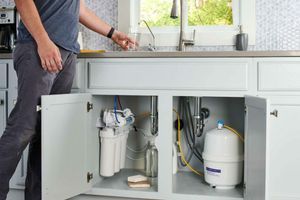
Winter is behind us, and many people notice changes in the taste, smell, or clarity of their tap water. Spring snowmelt, floods, and seasonal changes in municipal utility operations often affect the quality of both tap water and well water. In this article, we'll explore why spring is the ideal time to service your water purification system, how to recognize when your water filter needs attention, and which cartridges should be replaced first.
How Seasonal Changes Affect Water Quality
In spring, the load on water supply systems increases significantly. This applies both to city apartments in Kyiv or Lviv and to private homes with private wells.
Tap water. Due to snowmelt and spring rains, meltwater, silt, sand, and organic matter flow into open water sources used by municipal water suppliers. To ensure water safety, utility companies often increase chlorine dosing. This is why many users complain about a strong chlorine smell from their taps in spring. Additionally, aging municipal pipes often burst in spring due to ground movement. After emergency repairs, utilities flush the networks, sending large amounts of rust and scale into apartments.
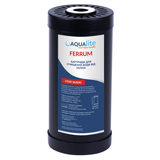
Well and borehole water. Groundwater levels rise in spring. Along with meltwater, fertilizers from fields, organic residues, and bacteria can enter wells. If you have a main line filter or an iron removal system installed, these units take the brunt of the load in spring and clog much faster than in winter.
5 Signs Your Water Filter Needs Servicing
Even if you replace cartridges on schedule, spring changes in water composition can shorten their lifespan. Pay attention to the following signals:
- Reduced water pressure. If the flow of purified water from your tap has weakened, this is a direct sign that the mechanical cartridge or reverse osmosis membrane is clogged with contaminants.
- Sediment or cloudiness appears. Tiny particles of silt or sand can pass through a spent pre-filter and enter your drinking water.
- Chlorine or musty odor. The carbon cartridge has exhausted its capacity and no longer adsorbs gases and organic compounds.
- Limescale returns. If white deposits reappear in your kettle, this means the softening cartridge or membrane has stopped removing hardness salts.
- Unusual aftertaste. Water may develop a metallic or bitter taste if the post-filter or mineralizer has exhausted its resource.
Step-by-Step Spring Check of Your Purification System
To ensure your system is working correctly, perform a basic diagnostic. It won't take long but can help prevent breakdowns.
Step 1. Inspect housings and connections. Check plastic filter housings for micro-cracks. In winter, temperature and pressure fluctuations can cause plastic to lose elasticity. Also inspect fittings and tubes for signs of moisture.
Step 2. Check pre-filters. Remove mechanical filtration cartridges. If the polypropylene has turned dark brown or is covered in slime, it needs urgent replacement—even if the stated service life hasn't expired.
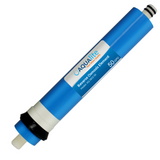
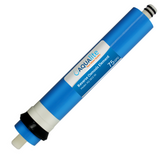
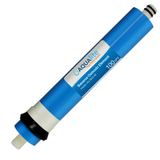
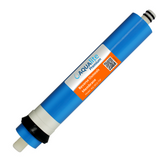
Step 3. Assess membrane condition (for reverse osmosis). If the system runs slowly or too much water drains to waste, the membrane may be clogged with hardness salts or iron.
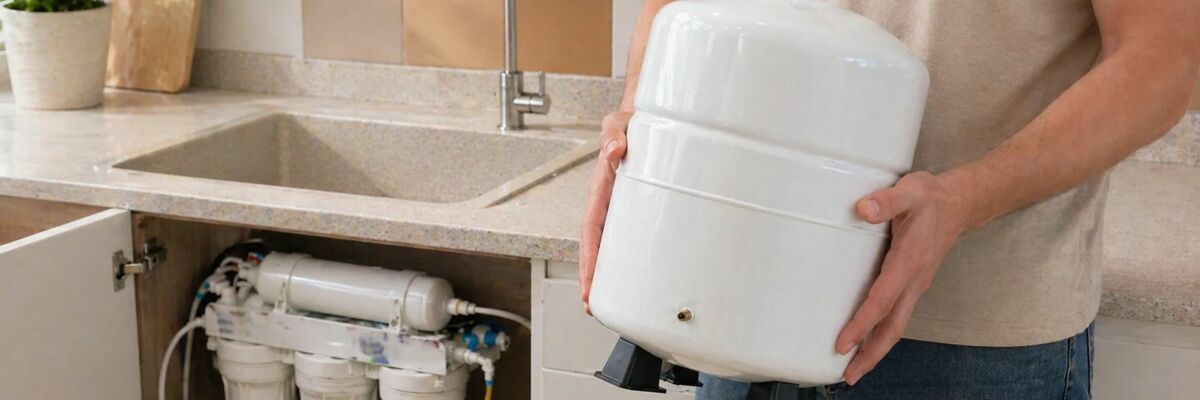
Step 4. Check the storage tank and pump. If you have a reverse osmosis system with a tank, check whether it fills completely. If the tank feels heavy but no water flows from the tap, there may be an air pressure issue at the valve. If your system has a pump, check whether the power supply is overheating and whether the pump is running without unusual noises.
Step 5. Sanitary treatment. Spring is a favorable time for bacterial growth. If the system has been unused for several weeks (e.g., at a dacha), housings should be rinsed with a weak hypochlorite solution or a specialized antiseptic, followed by thorough flushing with water.
Cartridge Replacement: What to Choose for Spring Renewal
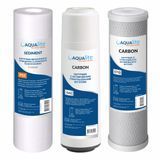
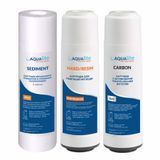
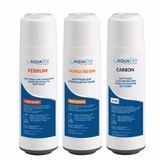
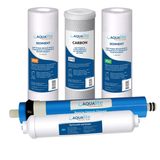
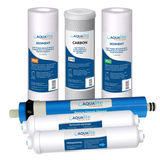
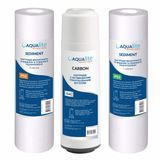
Spring maintenance typically involves replacing modules that bear the primary load. For most under-sink systems, the standard replacement set includes:
- Mechanical cartridge (polypropylene, 5 or 10 µm). Traps sand, rust, and silt that enter pipes in large quantities during spring network flushing. Inexpensive (usually from ~$1.50 USD equivalent), yet it protects more expensive downstream stages.
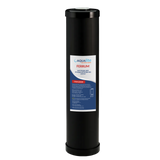
- Carbon cartridge. Granular or compressed carbon is essential for removing excess chlorine, which is added to water in higher doses during spring. Without it, chlorine can quickly damage the reverse osmosis membrane.
- Post-filter. A final-stage carbon module that improves taste and eliminates possible odors from the storage tank.
You can select suitable filter cartridges for any system. The key is to pay attention to the size standard (e.g., Slim 10 or In-Line) and the module's rated capacity.
Specific Considerations for Private Homeowners
If your home in a suburban area near Kyiv, Dnipro, or Kharkiv relies on a private well, spring inspection should be more thorough.
In spring, well water composition can change dramatically. Test results from November may no longer be relevant in April. If you notice your water has developed a yellowish tint, leaves rust stains on fixtures, or has a hydrogen sulfide odor, a standard main line filter may not be enough. In such cases, it's advisable to submit a water sample for extended laboratory analysis. Based on the results, specialists can recommend the appropriate media for iron removal systems or adjust the control valve settings.
Whole-house inlet filters clog with sand and clay in spring. If you notice reduced water pressure throughout the entire house—not just at the drinking water tap—check the mesh or polypropylene cartridges in your coarse filtration main line housings.
Summary
Spring is a period when water quality naturally fluctuates due to floods, snowmelt, and municipal utility operations. Regular spring filter checks help avoid surprises like cloudy water, low pressure, or limescale. Timely replacement of mechanical and carbon cartridges protects not only your purification system but also your family's health. If you notice changes in water taste or clarity, don't postpone maintenance. In the Aqualite catalog, you'll always find reliable water filters and replacement elements for any household need.
Frequently Asked Questions
Should I test my well water in spring?
Yes, this is highly recommended. In spring, rising groundwater levels can allow surface contaminants to enter your well via meltwater. Testing helps you determine whether your current system can handle new concentrations of iron or organic matter.
Why does tap water smell strongly of chlorine in spring?
During spring floods, organic matter and silt enter municipal water sources. Water utilities must increase chlorine dosing for effective disinfection. The carbon cartridge in your filter can easily handle this odor—provided it hasn't exhausted its capacity.
How do I know if my reverse osmosis membrane is clogged after winter?
The main signs are a significant drop in purified water pressure at the tap and continuous noise from water draining to the sewer. If replacing pre-filters doesn't improve the situation, the membrane will likely need replacement.
What should I do with a pitcher filter after winter?
If the pitcher hasn't been used for several months (e.g., left at a dacha), the old cartridge must be discarded. Bacteria multiply rapidly inside it in a moist environment. Wash the plastic parts of the pitcher with a baking soda solution, rinse thoroughly, and install a new cartridge.
How much does a standard spring cartridge replacement cost?
Cost depends on the system type. Replacing three pre-filters for a flow-through system or reverse osmosis unit typically ranges from ~$7 to $17 USD equivalent. This small investment significantly extends the service life of your entire purification system.