When it's time to replace the cartridges in an under-sink water filter, many owners look for the cheapest option on marketplaces or in dubious stores. Discounts and promotions on "full equivalents" may seem attractive, but the actual water quality and the system's service life depend precisely on the materials used and the exactness of compatibility. In this article, we'll explore how original cartridges differ from budget alternatives, what practical risks counterfeits pose, and how to make a choice that won't damage your filter or affect water pressure.
How Original Cartridges Differ from Cheap Alternatives
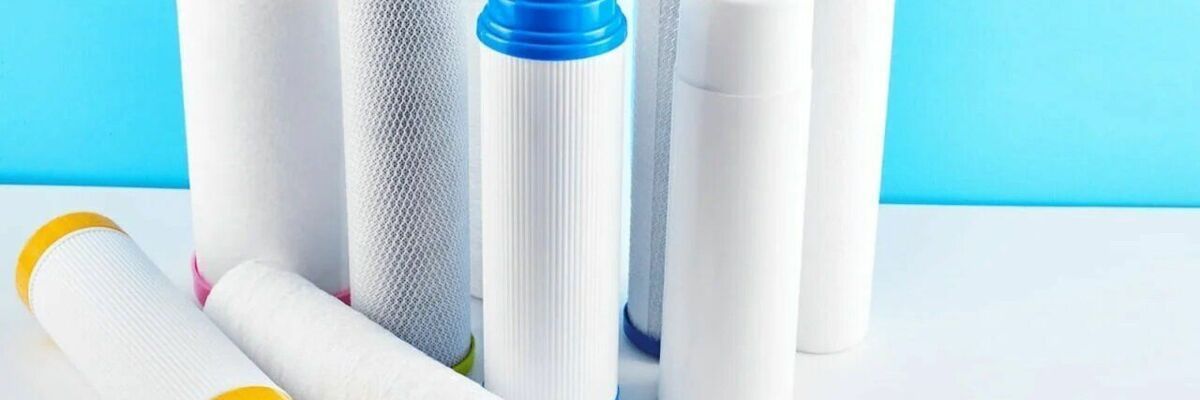
Original cartridges are always engineered for a specific filter model, taking into account operating pressure, flow rate, and types of contaminants. Manufacturers test filtration materials, housing sealing, and sorbent capacity before launching mass production. Cheap alternatives often cut corners on activated carbon quality, packing density, or threading precision. As a result, water may bypass the filtration layer, pressure may drop, or micro-cracks may appear in the housing.
When comparing inline filters and reverse osmosis systems, cartridge requirements differ, but the principle remains the same: manufacturing precision affects purification consistency. Original components always feature clear labeling, certification, and usage instructions.
| Parameter | Original Cartridge | Budget Alternative |
|---|---|---|
| Compatibility Precision | Meets manufacturer specifications, tight fit | Possible play, leaks, or difficult installation |
| Sorbent Quality | Certified carbon, controlled particle size and density | Unknown origin, possible "dusting" or rapid saturation |
| Service Life | Consistently delivers advertised liters or months | Often reduced by half, requiring more frequent replacement |
| Impact on Water Pressure | Maintains optimal water flow | May narrow the passage, creating additional resistance |
Risks Posed by Counterfeits and Low-Quality Alternatives
Using counterfeit products can lead to several practical issues. First, low-quality activated carbon or insufficiently compressed foamed polypropylene may fail to remove chlorine, rust, and mechanical impurities from water. Second, poor sealing often causes leaks under the sink, posing a risk to kitchen cabinets and flooring. Third, questionable housing materials may sometimes release unwanted microplastic particles or packaging dust into the water.
It's important to understand that a filter doesn't make water "medicinal," but it must reliably perform its function. If a cartridge doesn't meet its stated specifications, the system simply won't effectively reduce contaminant levels, and limescale in your kettle or aftertaste in your coffee will remain unchanged.
How to Identify an Original Cartridge When Purchasing
Authenticity verification starts before installation. Check the integrity of the factory packaging, the presence of protective film on the threading, and the clarity of the manufacturer's logo printing. Original components always display a serial number, manufacturing date, capacity in liters or months, and the compatible filter model.
If you're purchasing replacement cartridges online, verify that you're buying from official dealers or e-commerce stores with direct brand supply chains. Avoid listings with exaggerated discounts, blurry photos, or missing technical documentation. When in doubt about compatibility, consult a specialist who can select the right component for your water purification system.
Why Saving on Cartridges Often Costs More in the Long Run
A cheap alternative may cost 30–50% less, but its service life is typically cut in half. This means that instead of replacing cartridges every 6 months, you may need to change them every 2–3 months, increasing maintenance costs. Additionally, low-quality substitutes can sometimes accelerate wear on reverse osmosis membranes or clog main-line filters, leading to additional repairs.
Long-term savings work differently: original components reliably deliver their advertised service life while maintaining optimal water pressure and quality for cooking. Considering shipping costs across Ukraine and average prices in hryvnias, regular maintenance with verified materials proves more cost-effective than constantly replacing questionable alternatives.
Where to Buy Cartridges to Avoid Risks
The most reliable option is to order replacement elements directly from an official representative or a trusted online store. This ensures compatibility guarantees, access to technical support, and return options in case of defects. In our catalog, you can select filter cartridges or complete drinking water sets that are guaranteed to fit your system.
Before purchasing, clarify your filter model, water source type (municipal tap water, well, or borehole), and desired maintenance interval. Our specialists will help you avoid compatibility errors and select components tailored to specific needs: chlorine odor removal, limescale protection, or mechanical impurity filtration.
Summary
Original cartridges aren't a marketing gimmick—they're a guarantee of stable filter performance and predictable purification capacity. Using verified replacements maintains water pressure, reduces leak risks, and keeps drinking water quality at the proper level. When selecting replacement elements for inline systems or reverse osmosis, pay attention to certification, compatibility precision, and the service life of filtration materials. In the Aqualite catalog, you can choose proven cartridges and receive personalized consultation for your specific conditions.
Frequently Asked Questions
Can I use compatible cartridges in an under-sink filter?
Technically, yes—but it's essential to verify threading compatibility, dimensions, and material quality. If an alternative doesn't meet the manufacturer's specifications, reduced pressure or leaks may occur.
How often should I replace cartridges to keep water clean?
This depends on cartridge type, incoming water quality, and consumption volume. Mechanical and carbon elements are typically replaced every 4–6 months; reverse osmosis membranes less frequently. Follow manufacturer recommendations and monitor changes in taste or water pressure.
Why might water taste different after replacing a cartridge?
The first 5–10 liters often flush dust from the sorbent and stabilize system operation. If an aftertaste persists longer, check installation correctness, cartridge expiration date, and household water pressure.
How can I distinguish an original from a counterfeit by packaging?
Check print quality, presence of security seals, serial number, manufacturing date, and clear capacity specifications. Missing technical documentation or a blurry logo often indicates questionable product origin.