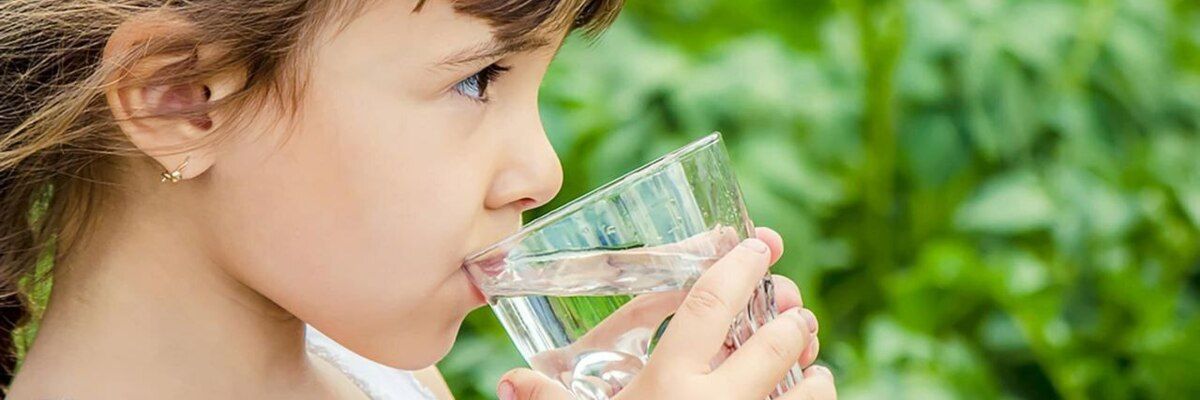
Many parents face the challenge of their children preferring juice, compote, or sweetened drinks over plain water. When reminders don't work and a child simply pushes away a glass, the reason often lies not in their character, but in taste, convenience, or familiar surroundings. In this article, we'll explore why children refuse water, how tap water quality affects their perception, and what simple steps can help naturally build the habit of drinking clean, safe water at home—without unnecessary stress.
Why Children Often Refuse Water
Children have more sensitive taste buds than adults, so they react strongly to any changes in water. If tap water has a sharp chlorine aftertaste, a metallic smell, or an unpleasant flavor from an old filter, a child will instinctively avoid it. External factors also play a role: an inconvenient glass, limited access to the kitchen, or early exposure to sweetened beverages that create an expectation of sweetness in any drink. Instead of insisting, it's worth understanding what specifically puts the child off. Often, simply changing the drinkware, adjusting the temperature, or improving water quality is enough to shift the situation.
How Water Quality and Taste Influence Drinking Habits
Tap water in many Ukrainian cities undergoes chlorination and may contain rust particles from aging pipes or mechanical impurities. These elements create an aftertaste that adults often ignore out of habit, but children detect immediately and openly reject. If water leaves sediment, has an odor, or tastes unpleasant, persuading a child to drink it is nearly pointless. Improving taste through proper filtration is often the first step toward building a healthy habit. Under-sink systems or pitcher filters with carbon cartridges remove unwanted tastes and odors, making water neutral, clean, and pleasant. When water no longer triggers rejection, children drink it more naturally. It's best to choose a system based on the actual water supply conditions in your area and regularly check the status of replaceable components.
7 Simple Ways to Encourage Your Child to Drink Water
- Let them choose their drinkware. A bright mug, a glass with a convenient straw, or a kids' bottle with a soft silicone spout works better than a standard heavy tumbler. Let your child pick their own "water" vessel.
- Experiment with temperature. Some children prefer cool water, others like room temperature or even slightly warm. Offer different options to find what feels most comfortable.
- Add natural, sugar-free accents. A slice of lemon, cucumber, mint, or a few berries in a pitcher changes the appearance and subtly enhances the flavor. This doesn't make the water sweet but makes it more appealing.
- Create a "water station" at an accessible height. Place a pitcher and glasses on a low shelf or table so your child can serve themselves without adult help. Independence often motivates more effectively than reminders.
- Use visualization and play. Drop-shaped stickers, a simple drinking journal, or an app with checkmarks can turn a daily habit into an achievement. Children love seeing their progress.
- Lead by example. Children mimic adult behavior. If you regularly drink water, keep a pitcher on the table, and offer it without pressure, your child will adapt to this rhythm more quickly.
- Don't replace water with juice or compote. Juice can be offered in moderation, but it shouldn't become an alternative to clean water. It's better to offer water between meals, when the body naturally needs fluids.
How to Create a Convenient Water Environment at Home
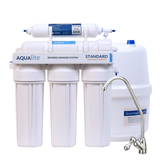
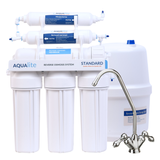
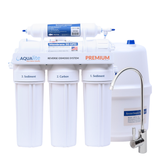
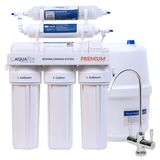
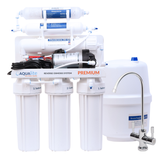
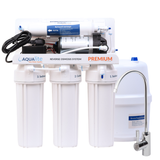
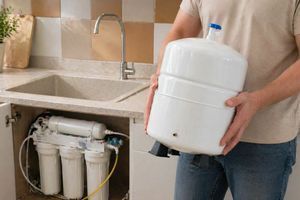
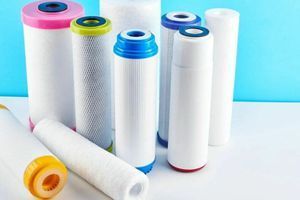
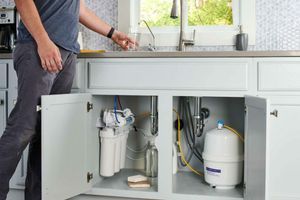
Habits form not through commands, but through environment. If water is always visible, tastes pleasant, and requires no complicated steps to access, children will drink more naturally. Check whether it's easy for your child to reach the pitcher, whether the glass is too heavy, or whether the filter is positioned such that cartridges are long overdue for replacement. Timely replacement of consumable parts ensures water retains its taste and doesn't accumulate excess impurities. For the kitchen or dining area, consider installing an under-sink flow-through filter or a water filter system to keep clean, consistently high-quality drinking water within easy reach. If your child already uses a pitcher filter, monitor replacement timelines for pitcher filter cartridges, as a spent element stops removing aftertastes and may trigger refusal to drink.
What to Avoid: Common Parenting Mistakes
Insisting with phrases like "you must finish every drop" often backfires, turning water into a source of conflict. Avoid using water as punishment or reward, and don't sweeten it with sugar or syrup "just this once." This creates a false expectation that all drinks should be sweet. Also, don't ignore tap water quality. If it leaves limescale, has an odor, or appears rusty, your child simply won't want to drink it—and that's a normal bodily reaction. It's better to address the root cause, replace a spent filter element, or adjust your purification system than to force a child to drink water they find unpalatable.
Key Takeaways
Motivating a child to drink water is easier when the water has a neutral taste and the act of drinking is convenient and stress-free. Improving tap water quality, choosing the right drinkware, modeling healthy behavior, and avoiding pressure work far better than constant reminders. If the water in your home smells of chlorine, has an aftertaste, or leaves sediment, it may be time to reassess your filtration system. In the Aqualite catalog, you can find filters and cartridges that make drinking water tastier, more convenient for daily use, and safer for the whole family.
Frequently Asked Questions
Question: How much water should a child drink daily?
Answer: Recommendations vary by age, weight, and physical activity. As a general guide, preschoolers need about 800–1000 ml, younger school-age children 1200–1500 ml, and teenagers 1500–2000 ml per day. It's important to count all fluids—including soups and tea—but clean drinking water should remain the foundation of their intake.
Question: Can I add lemon or mint to water for children?
Answer: Yes, in small amounts, natural additions are harmless and can help vary the flavor. Avoid sugar, syrups, and artificial flavorings to prevent developing a preference for sweet drinks and to avoid overloading sensitive taste buds.
Question: Why does my child refuse water even when it's filtered?
Answer: Reasons can vary: inconvenient glassware, water that's too cold or warm, a habit of sweetened drinks, or a depleted cartridge that no longer removes aftertastes. Check the filter's condition, try different drinkware, and experiment with temperature.
Question: How can I tell if a filter cartridge is no longer working effectively?
Answer: Watch for slower flow, emerging aftertastes or odors, changes in water color, or exceeding the recommended usage period. Most drinking water cartridges need replacement every 2–4 months, depending on tap water quality and frequency of use.